
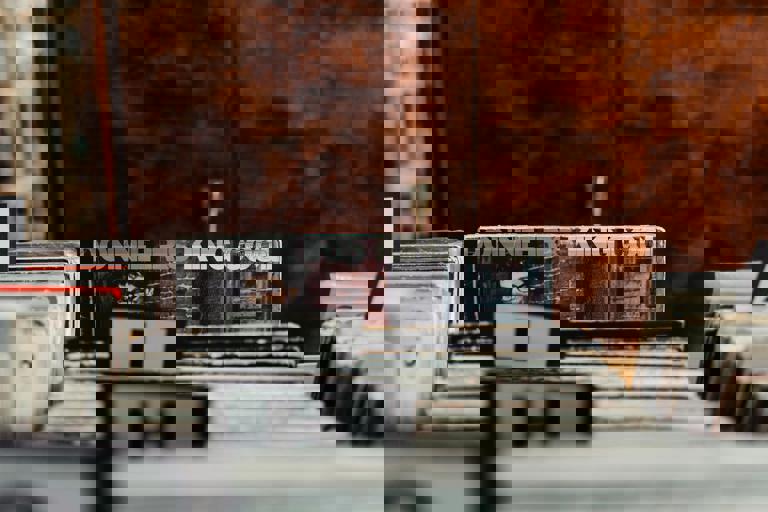
In a surprising twist for an industry once declared all but obsolete, vintage record shops across the United Kingdom are experiencing an unprecedented surge in popularity, particularly among younger generations. Longtime shop owners report a significant uptick in foot traffic and sales, much of it driven by customers in their teens and twenties. This revival of interest comes as digital streaming continues to dominate the mainstream music consumption landscape, making the resurgence of vinyl all the more remarkable.
According to the Entertainment Retailers Association, vinyl record sales in the UK topped 5.9 million units in 2023, marking their highest level since the early 1990s. Independent record shops, thought to be on the brink of extinction a decade ago, now make up a significant share of this booming market. Shopkeepers attribute the phenomenon in part to a growing appreciation of analog sound quality, as well as the tactile pleasure of browsing and collecting physical records.
Many young collectors express a sense of nostalgia for a time they never personally experienced. "There's something magical about holding a vinyl album and hearing the slight crackle as the needle drops," said Emily Foster, 21, an art student and avid collector. She adds that social media has played a role in exposing her generation to the visual and cultural aesthetics associated with vinyl. This unique blend of retro appeal and modern sensibility has proven compelling for many.
The social aspect of visiting vinyl shops also plays an important role in the revival. Unlike the anonymity of online shopping or streaming playlists, record stores offer tangible community spaces where enthusiasts can meet, share recommendations, and discover new artists together. Store owner James O'Hara notes, "It's not just about the music—it's about conversations, connections, and a sense of belonging that can't be replicated digitally."
This renewed enthusiasm has prompted record shops to diversify their offerings and host in-store events such as listening parties, album launches, and vinyl care workshops. These events draw in crowds who are keen to deepen their understanding of both music and the recording process. Many stores have also expanded their selection to include vintage audio equipment, classic band merchandise, and limited-edition releases to meet demand from increasingly knowledgeable clientele.
Collectors are also showing a growing interest in genres long overlooked by mainstream culture. While classic rock and pop remain staples, there has been a marked uptick in sales of jazz, soul, reggae, and even experimental electronic music on vinyl. According to retail analyst Clara Rivers, "Today's young buyers are adventurous and eclectic. They're digging into the crates, exploring musical history far beyond what streaming algorithms suggest."
Rising demand has encouraged some entrepreneurs to open new record shops, shaking up what was once an aging market. In cities across the UK, new independent stores are emerging in unexpected neighbourhoods. Many of these shops are run by owners under 30, reflecting both the changing face of the industry and the passion of a new generation. The result is a thriving, diverse marketplace that continues to attract media interest and industry attention.
Industry experts point out that the collectability of vinyl records adds another layer to their appeal. Limited pressings, rare editions, and exclusive reissues now drive fierce competition among collectors, sometimes resulting in substantial increases in market value. Auction sites and record fairs have seen robust growth, with some records fetching hundreds or even thousands of pounds. This investment aspect has further cemented vinyl's position in contemporary youth culture.
Economic factors also contribute to the record shop resurgence. While vinyl is often more expensive than digital formats, many young consumers view their purchases as both entertainment and a form of art collecting. The quality of album artwork and thoughtful liner notes, often missing from digital platforms, add to the allure. “Buying vinyl feels like investing in an experience rather than just acquiring music,” explains Samir Kaur, 27, a regular customer at several independent shops.
The resurgence has not gone unnoticed by the recording industry, with major labels ramping up production and reissuing classic albums alongside new releases. This symbiotic relationship between labels and independent shops ensures a steady supply of fresh inventory, including exclusive releases that cannot be streamed. Industry analyst Matthew Greaves notes, "Record shops play a crucial role in sustaining the ecosystem of physical music; their success benefits artists, fans, and the entire music chain."
Technological improvements have made it easier for record shops to reach wider audiences. Many stores now offer online ordering, social media promotions, and virtual listening sessions, bridging the gap between digital convenience and analog authenticity. Yet, most shop owners insist that the heart of their business remains the personal, in-store experience. The hybrid approach has helped sustain and grow customer bases during times of uncertainty, such as the recent pandemic years.
Despite the challenges posed by rising rents and fierce competition from big online retailers, many record shops remain committed to serving local communities. They pride themselves on curation, expertise, and personal service—qualities that digital platforms struggle to match. As a result, vintage record shops enjoy a renewed relevance, standing out as havens for discovery in an increasingly digitized society. Having weathered previous storms, owners say they are cautiously optimistic for the future of vinyl shops in the UK, confident that the passion of young collectors will ensure their continued success.