
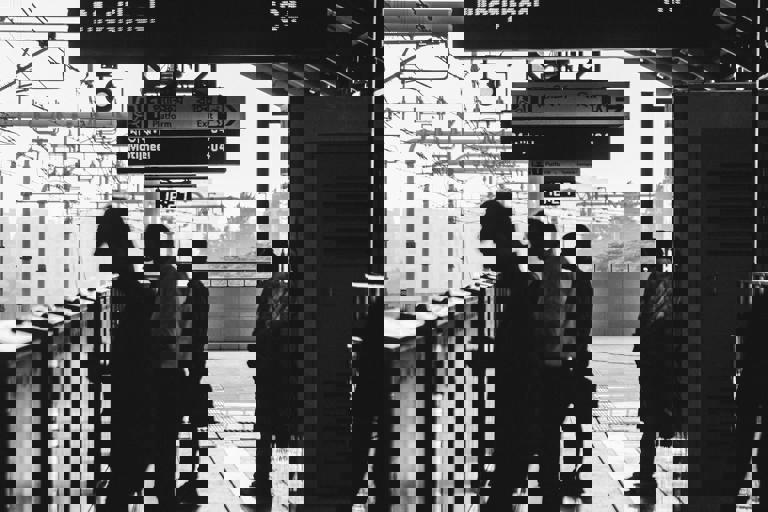
Widespread disruption hit major rail lines across the nation today as thousands of train drivers staged a coordinated walkout in a bitter dispute over pay. The industrial action, one of the largest in recent years, left stations deserted and forced countless commuters to seek alternative travel arrangements. Many services were either cancelled outright or severely reduced, casting uncertainty over the usual flows of morning traffic.
The strike was organised by the Associated Society of Locomotive Engineers and Firemen (ASLEF), which represents a significant proportion of the country’s train drivers. In a statement released early this morning, ASLEF claimed that negotiations with rail operators had failed to secure fair pay increases, prompting union members to halt work. The union argues that drivers’ wages have not kept pace with inflation, leading to growing frustration.
Rail companies were quick to issue warnings to passengers, advising them to check travel updates before leaving home. Network Rail, responsible for infrastructure, stated that only a fraction of scheduled trains would run. Major stations reported drastically reduced footfall, and long queues formed at bus stops and taxi ranks as people scrambled for alternatives. Some commuters voiced dismay at the lack of contingency planning.
For many, the impact was immediate and tangible. Sarah Jennings, a finance worker, said, 'I rely on the train every day for my commute, and it's chaos trying to get to work right now.' Similar sentiments were echoed by others stranded or forced into last-minute carpooling arrangements. The disruption is expected to continue until late evening, with knock-on effects predicted for the following day.
The roots of the dispute date back several months, with pay negotiations stalling amid claims that rail staff have endured years of pay caps. The union has emphasised the rising cost of living as a core issue, contending that proposed pay rises fall short of what is necessary to offset inflation. Rail operators, conversely, point to economic challenges facing the sector and warn of financial constraints.
Government officials have urged both sides to return to the negotiating table. Transport Secretary Mark Harper called for 'constructive dialogue and compromise' to prevent prolonged hardship for passengers. There are growing calls from business leaders and local authorities for a speedy resolution, warning that ongoing disruption could damage the wider economy and undermine confidence in public transport systems.
Data compiled by the Department for Transport indicates that nearly half a million passenger journeys are affected each day a strike occurs. Businesses have reported significant disruptions, with employees struggling to reach offices and delivery schedules thrown into disarray. Many firms have reverted to remote working policies, a measure reminiscent of the pandemic era, to maintain operations during the strike period.
Political reactions have been mixed. Opposition parties have largely sided with the unions, arguing that the government should step in to ensure railway staff are treated fairly. Labour’s transport spokesperson stated, 'Years of underinvestment and real-term pay cuts have brought us to this crisis point.' Meanwhile, some Conservative MPs have characterised the industrial action as unnecessarily disruptive, urging legislative reforms to limit future strikes.
Travel industry analysts warn that prolonged strikes could erode public trust in rail services, pushing commuters towards car travel or other less sustainable options. Recent surveys suggest passenger confidence in rail reliability was already fragile before the latest dispute, and lengthy disruptions could have lasting consequences for ticket revenues and environmental goals. Experts stress the importance of rebuilding trust through swift resolution and improved communication.
For those living in rural areas or without easy access to alternative transport, the strike’s impact has been especially acute. Several communities reported complete rail blackouts, isolating residents and affecting access to essential services such as hospitals. Charities supporting the elderly and disabled urged decision-makers to consider vulnerable populations when assessing strike repercussions and planning future negotiations.
The economic implications extend beyond immediate travel chaos. Retailers in city centres experienced sharp drops in footfall, while the hospitality sector noted cancelled bookings and reduced lunchtime trade. Industry representatives have called for compensation schemes or targeted support, noting that rail disruption has a direct ripple effect on urban economies and small businesses dependent on commuter traffic.
With no end to the pay dispute in sight, commuters are bracing for further strikes in the coming weeks. Both ASLEF and train operators have signalled willingness to resume talks, but entrenched positions make swift compromise elusive. The government has reiterated its commitment to facilitating discussions, but passengers and businesses alike hope for meaningful progress before another wave of disruption hits the rails.